
The top 7 reasons building permit applications get rejected (and how to avoid them)
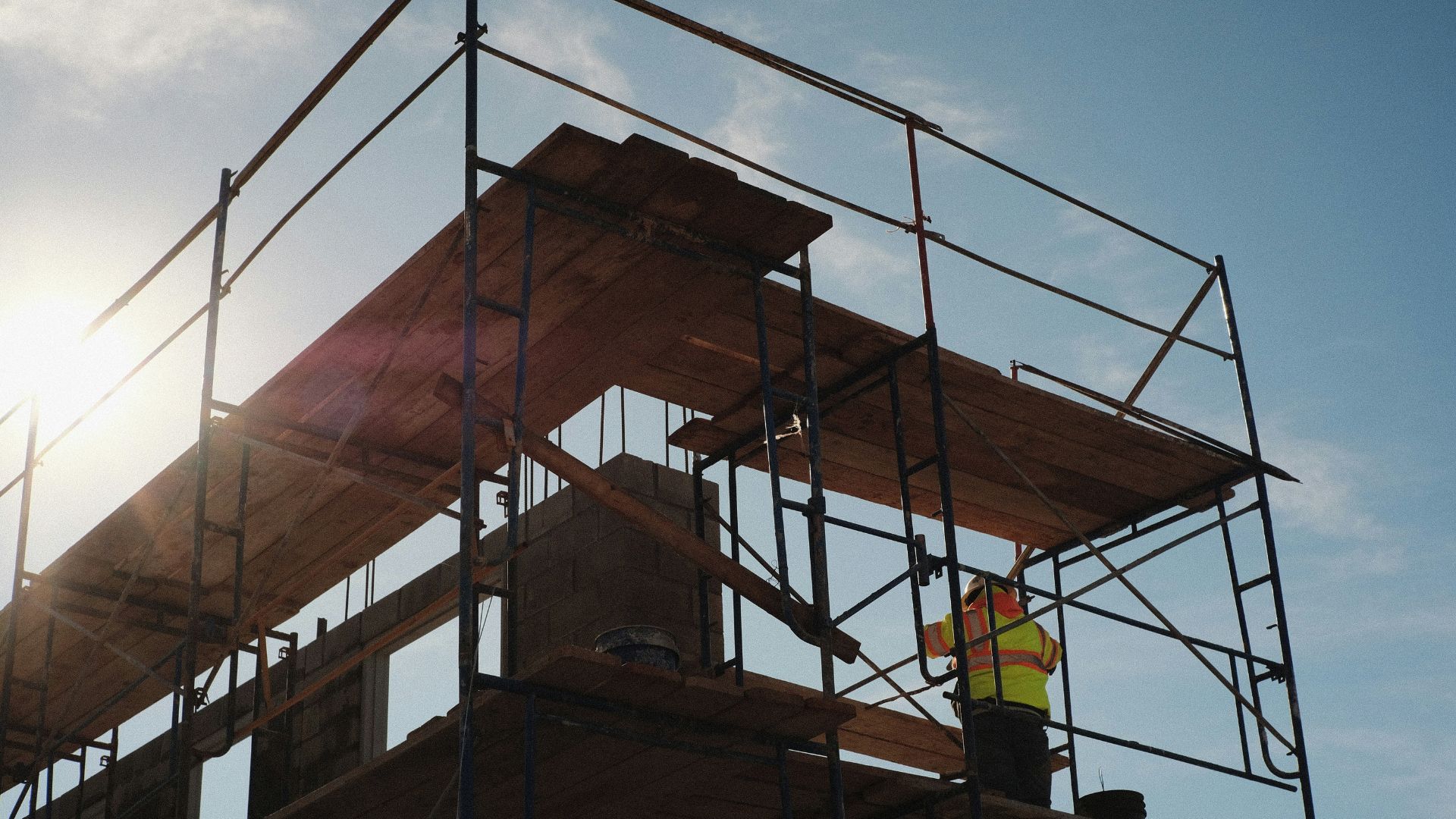
Building in Victoria can be exciting until your building permit application hits an unexpected roadblock. Delays are frustrating, costly, and often completely avoidable with the correct insight and preparation.
Here are the top seven reasons building permit applications get rejected in Victoria, and how you can prevent them from slowing down your project.
1. Missing or Incomplete Documentation
Incomplete paperwork is the number one cause of building permit delays.
Building surveyors require detailed, accurate information to assess compliance, including:
- Architectural plans
- Engineering drawings
- Soil reports
- Title documents
- Energy rating reports
How to avoid it: Create a checklist before you start. Ensure all documents are final (not draft) and labelled correctly. If in doubt, ask your surveyor exactly what they need; it’s better to clarify early than re-submit later.
2. Non-Compliant Architectural Plans
Even professional drawings can fail if they don’t comply with the Victorian Building Regulations 2018 or the NCC.
Common issues include:
- Incorrect setbacks
- Overlooking height limits
- Poor fire separation
- Stair, balustrade, or ceiling height non-compliance
How to avoid it: Have your designer or architect run a compliance review before lodging. Small design adjustments made upfront can save weeks later.
3. Planning Permit Not Completed First
Many projects require both a planning permit and a building permit. If your planning permit hasn’t been issued or your plans don’t align with the approved planning drawings, your building permit can’t be granted.
How to avoid it: Confirm early whether your site needs a planning permit. Changing plans after planning approval often forces you to re-aply.
Tip: A Preliminary Planning Report (PPR) instantly identifies overlays, zoning, and permit requirements so you know exactly what approvals you need.
4. Bushfire or Environmental Overlays Overlooked
In Victoria, many areas sit within Bushfire Management Overlay (BMO), flood zones, or environmental overlays. These require additional documentation — and missing them almost guarantees rejection.
Examples include:
- BAL assessments
- Bushfire management statements
- Flood reports
- Land capability assessments
How to avoid it: Check overlays before any design work begins. This ensures your plans meet all additional requirements before they reach a surveyor.
5. Incorrect or Missing Energy Reports
Energy efficiency requirements (6-star minimum) are strictly enforced. Incorrect assessments or missing reports will pause your application.
How to avoid it: Ensure your energy rating is completed by a qualified assessor and reflects the final version of your plans. Changing window sizes, materials, or layout may require a re-assessment.
6. Owner-Builder Issues
Owner-builders face extra rules. For projects over $16,000, a Certificate of Consent from the VBA is mandatory. Incorrectly nominating yourself as a builder can halt your application.
How to avoid it: If you're acting as an owner-builder, apply for your VBA consent early. If not, make sure your registered builder is clearly nominated on all documents.
7. Requested Amendments Not Completed
Surveyors may request clarifications or changes. If those amendments are not addressed properly or fully, the application will be rejected or put on hold indefinitely.
How to avoid it: Respond to all RFI (requests for information) thoroughly and promptly. If something needs redesigning, finalise it before sending it back; piecemeal changes create more delays.
Be Prepared with Planna
Avoiding building permit delays starts with knowing your site inside out. That’s where Planna comes in. Our software lets you pre-check planning constraints, zoning rules, and overlays.
With Planna, you can:
- Identify whether your project requires a planning permit
- Check for bushfire, flood, or environmental overlays
- Access preliminary planning reports instantly
- Spot potential compliance issues before submitting your building permit
By understanding your site and its requirements upfront, you can save time, reduce risk, and keep your project on track from day one. Stop guessing, start building confidently with Planna.
Final Thoughts
Building permit rejections aren’t random; they follow predictable patterns. With the right preparation, you can avoid the most common pitfalls and keep your project moving smoothly.
If you want help confirming what you can build before spending money on design or reports, a quick Preliminary Planning Report can give you instant clarity and reduce costly surprises later.
Read more


