
Site Coverage vs Floor Space Ratio explained: A quick guide for council approval
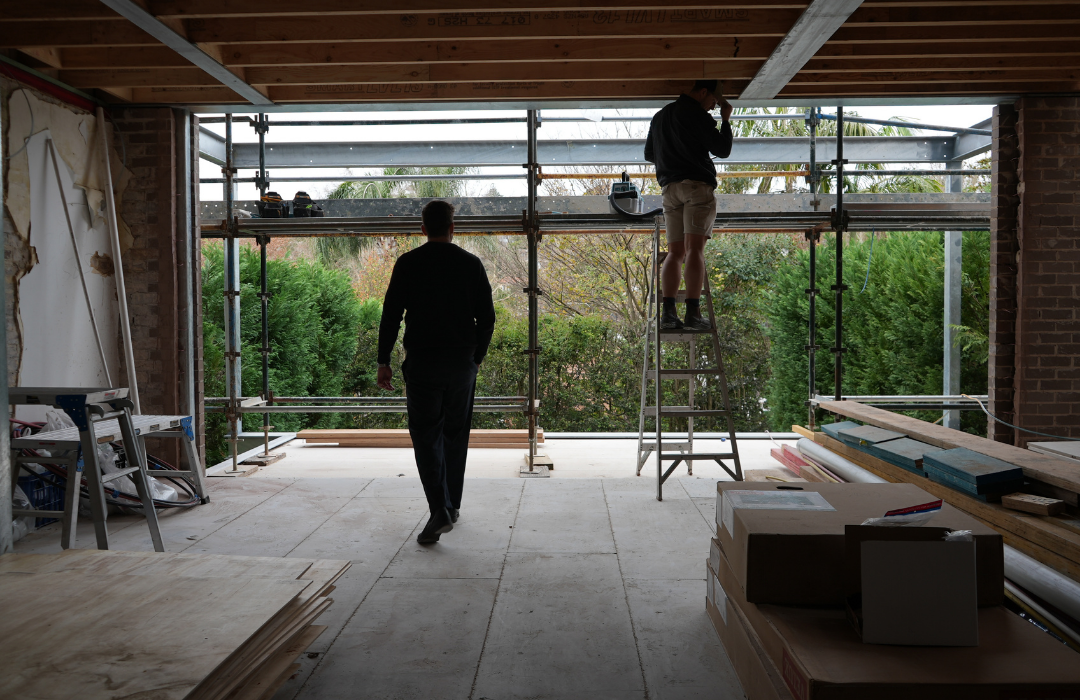
When planning a development, understanding site coverage and floor space ratio (FSR) is critical. These two rules affect how much of your land can be built on and how large your building can be. Getting them wrong can lead to delays, redesigns, or even rejection by the council.
Here’s a clear, practical guide to help you navigate these important planning controls.
What is Site Coverage?
Site coverage is the portion of your land that can be occupied by buildings. It is usually expressed as a percentage of the total site area.
For example, if your site is 500 m² and the council allows 50% site coverage, your building footprint cannot exceed 250 m².
Key points:
- Only the footprint of buildings counts, such as, driveways, landscaping, and open areas are excluded.
- Councils set site coverage limits to ensure adequate open space, sunlight, and drainage.
- Reducing site coverage can improve landscaping, outdoor space, and neighbourhood amenity.
Tip: Always check your local council’s planning scheme for site coverage limits, they vary depending on zone, overlays, and neighbourhood character.
What is Floor Space Ratio (FSR)?
Floor Space Ratio (FSR) controls the total floor area of your building relative to the size of the site.
For example, a 500 m² site with an FSR of 0.6 allows up to 300 m² of total floor area, which can be spread across multiple storeys.
Key points:
- FSR affects the bulk and scale of your building.
- Unlike site coverage, FSR includes all floors, including upper levels.
- Councils use FSR to manage density, overshadowing, and neighbourhood character.
Tip: FSR and site coverage often work together, and high site coverage may limit your ability to add additional floors if the FSR is low.
How Councils Use These Controls
Victorian councils assess site coverage and FSR as part of the planning permit process to:
- Maintain neighbourhood character and streetscape
- Ensure adequate open space, light, and ventilation
- Control building bulk and density
- Protect environmental features, such as trees and drainage
Failing to comply with either control is a common reason planning permits are delayed or rejected.
Tips to Stay Compliant
- Check your zoning and overlays first.
- Use council planning schemes to confirm site coverage and FSR limits for your property.
- Plan for open space and landscaping.
- Even if your design technically fits, councils favour projects that provide quality outdoor areas.
- Consider both site coverage and FSR together.
- Maxing out site coverage may restrict upper floors if your FSR is low.
- Seek professional advice early.
- Town planners, architects, or building surveyors can help design within limits and avoid costly redesigns.
How Planna Helps You Get It Right
Understanding site coverage, FSR, overlays, and other planning constraints can be confusing but Planna makes it simple. Our platform allows you to:
- Instantly check zoning, overlays, and planning rules for your site
- Generate Preliminary Planning Reports (PPRs) to identify requirements upfront
- Avoid costly mistakes that delay planning permit approvals
With Planna, you can plan with confidence, know exactly what’s allowed, and save weeks of back-and-forth with council.
Key Takeaway
Site coverage limits how much of your land can be built on, while FSR limits the total floor area. Both are essential for council approval in Victoria. By understanding these rules, planning carefully, and using tools like Planna to pre-check constraints, you can design smarter, submit smoother, and get your project approved faster.
To understand how these rules could apply to your project, contact us today!
Read more


