
Brisbane’s More Homes, Sooner Plan: What It Really Means for Our Suburbs
If you’ve spent any time looking at development in Brisbane lately, you know the city is in the middle of a major shift. As one of Australia’s fastest growing cities, housing supply is struggling to keep pace with population growth driven by both interstate and overseas migration. By 2046, we are looking at a requirement for over 210,000 new dwellings. The math is simple, but the delivery is complex.
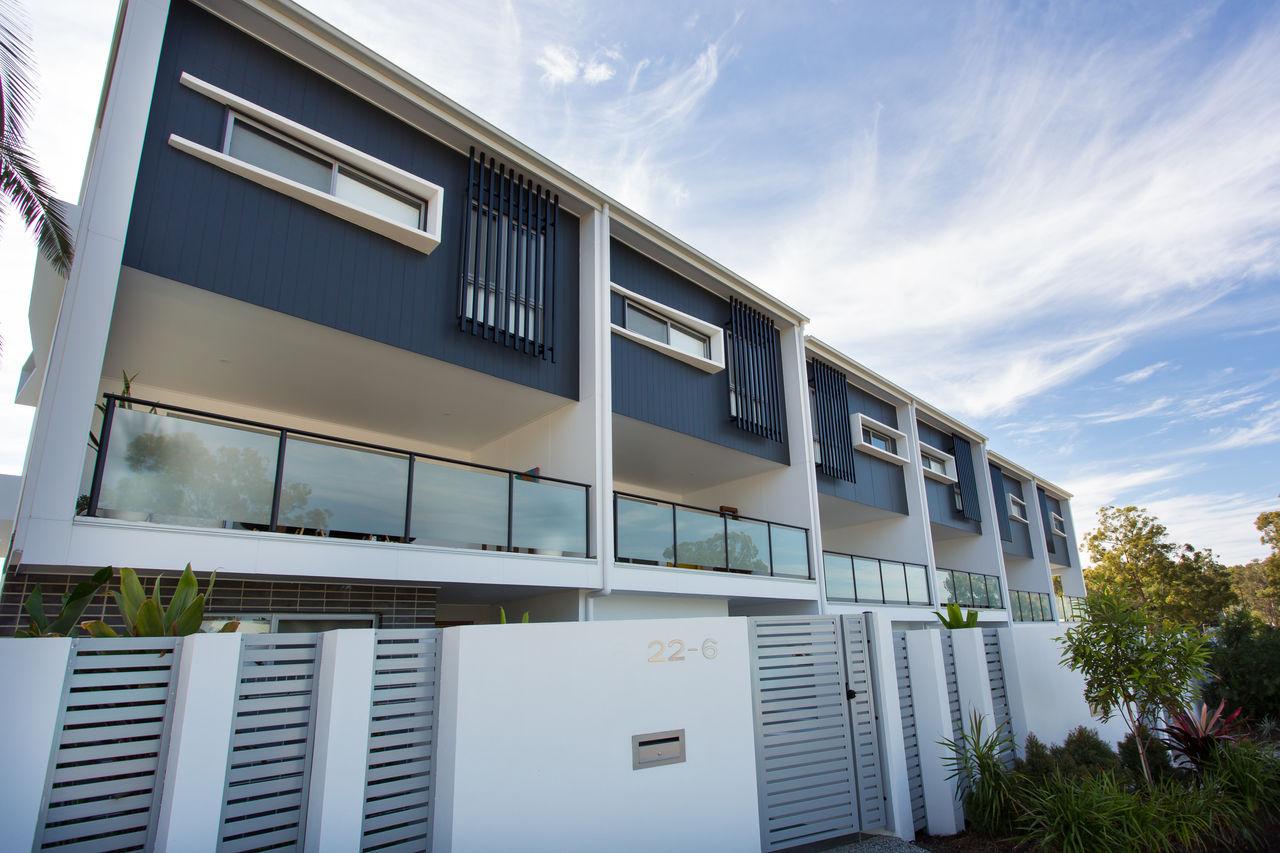
In response, Brisbane City Council has introduced the More Homes, Sooner amendment. At Planna, we see this as more than just a standard update. It is a long overdue review of the Low medium density residential (LMR) zone aimed at making it easier and faster to deliver a broader mix of housing types. This isn't about high rise towers in the outer suburbs. It is about the missing middle, referring to the townhouses, duplexes, and small lot homes that bridge the gap between high density apartments and traditional suburban estates.
Breaking down the technical shifts
To understand why this matters, we have to look at how the rules are physically moving. The amendment replaces several confusing sub-categories with a single, unified precinct. This simplifies the baseline for every project. The following shifts represent the most significant changes to the current planning framework.
Standardised Building Heights
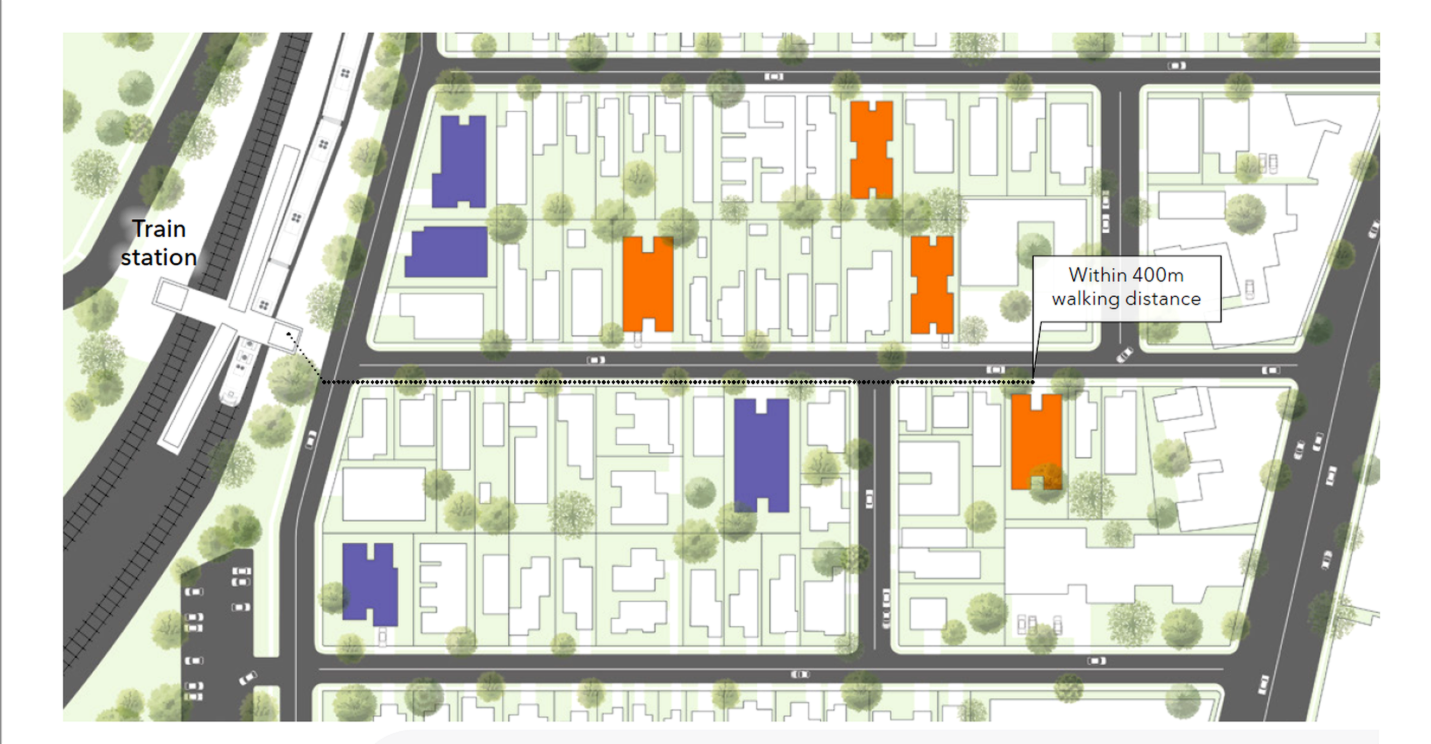
Previously, heights were split across a mix of 2 storey and 3 storey precincts that often created uncertainty for developers. The new rules standardise building heights at 3 storeys across the entire zone. In Key Locations, specifically sites within 400 metres of major transport interchanges or high frequency stops, heights can now reach 4 storeys on lots over 800 square metres.
A New Floor for Lot Sizes
One of the most aggressive changes is the reduction of minimum lot sizes. While Brisbane has traditionally protected larger suburban blocks, the amendment introduces a 120 square metre minimum for freehold lots. This is a dramatic departure from the old 300 to 400 square metre standards. It allows for a much more compact European-style terrace housing that has historically been difficult to approve in Brisbane.
Low Density Expansion
The changes are not strictly limited to the LMR zone. In the Low density residential zone, the Council is proposing to expand the subdivision potential near local centres. Currently, you can subdivide down to 300 square metres if you are within 200 metres of a centre. This radius is being pushed out to 300 metres. This extra 100 metres may seem small, but it captures hundreds of additional properties that previously had no subdivision potential.
Assessment pathway reform and the removal of risk
The most valuable change for property owners is not actually the height or the lot size, but the shift in how applications are processed. A key component of the amendment is the simplification of the development assessment process. More development types are expected to become code assessable, particularly for multiple dwellings and small lot housing.
Most significantly, dual occupancies are proposed to become Accepted Development within the new precinct. This means that if your project hits the code requirements exactly, you can effectively bypass the standard Council assessment process and move straight to your building certifier.
While this reduces approval timeframes, it also places a much higher importance on achieving 100% compliance from day dot. There is no longer a negotiation phase with a Council officer. If your design is even slightly off, you lose that fast track status. This is why having a bulletproof planning strategy is more important now than it ever was when we were dealing with standard development applications.
Parking for a modern climate
We cannot discuss density without discussing car parking. Planners have long argued that rigid, high parking requirements are a major barrier to affordable housing. Every basement car park can add up to $82,000 to the cost of a unit outside the inner city.
More Homes, Sooner addresses this by introducing tiered parking rates that reflect actual transport use.
- 2-bedroom dwellings: These are dropping from 2 spaces down to 1.5 spaces citywide, and as low as 1.2 spaces in Key Locations.
- 3-bedroom dwellings: While the citywide rate remains the same, Key Locations will see a drop from 2 spaces to 1.6 spaces.
- 4-bedroom dwellings: In Key Locations, the requirement falls from 2.5 spaces to 2 spaces.
This acknowledges that car ownership is decreasing in well-connected areas and allows developers to put that capital into better design and landscaping instead of concrete bunkers for cars.
Why this matters now
The success of this amendment will ultimately depend on built form outcomes. Good design, quality landscaping, and a thoughtful street interface will determine whether these changes deliver truly liveable neighbourhoods. The amendment is currently in the proposal stage, with consultation completing in soon and adoption anticipated later in the year. For anyone looking to develop in Brisbane, the message is clear. The rules are changing to favour those who can deliver smart, compliant, and well-located housing quickly. The era of long negotiations for simple duplexes may finally be coming to an end, replaced by a system that rewards those who follow the code to the letter.
This is where Planna adds the most value. As the assessment process shifts toward Accepted Development, the margin for error disappears. We help our clients navigate these rigid requirements up front, ensuring every project is perfectly aligned with the new standards before it reaches a certifier. In this new environment, getting the strategy right from day one is the only way to stay on the fast track.
Key Takeaways for Your Next Project
- LMR precincts are being consolidated to simplify development outcomes and reduce complexity.
- Building heights increase to 3 storeys as the new standard, with 4 storeys possible in well-located transport hubs.
- Minimum lot sizes may be reduced to 120 square metres, opening up a new category of affordable freehold housing.
- More development will fall under Accepted Development pathways, allowing you to skip the Council queue entirely if you are fully compliant.
- Subdivision opportunities in low-density residential areas are expanding, increasing the potential value of homes within 300 metres of local centres.
- Parking mandates are being reduced in Key Locations to reflect modern transit use and lower construction costs.
Read more


